

💞 Pompoir: The Secret Practice That Awakens Female Pleasure and Inner Strength
There’s a quiet revolution happening within women’s health — one that doesn’t require medication or surgery, but self-awareness, intention, and practice. Known as Pompoir(also known as intimate or vaginal muscle training), this ancient technique of intimate muscle control is gaining modern scientific validation for its powerful effects: enhancing pleasure, improving pelvic floor health, and awakening deep feminine confidence.

💗 The Power of Intimate Exercises for Women
Pompoir is more than an exercise — it’s a rediscovery of feminine strength. By learning to contract and relax the vaginal muscles consciously, women not only enhance their own sensations but also heighten male pleasure during intimacy. The rhythmic contractions stimulate the penis, increasing sensitivity and connection between partners.

🌷 How Pompoir Transforms Female Health and Self-Esteem
Modern studies show that intimate exercises for women significantly reduce urinary incontinence and pelvic organ prolapse. Strengthening the pelvic floor also improves blood flow, enhances natural lubrication, and supports hormonal balance.
But beyond physical benefits, Pompoir has an emotional impact: women report feeling more confident, vibrant, and in tune with their sensuality. It’s a journey of self-love and empowerment — one that allows women to experience their bodies not as a source of anxiety, but as a source of power.

🌺 Pompoir During Menopause
During menopause, hormonal changes can affect muscle tone, libido, and vaginal elasticity. Practicing Pompoir during this stage helps maintain pelvic strength, promotes circulation, and supports tissue regeneration. Many women discover that regular practice restores their sexual vitality and improves overall comfort, proving that pleasure has no age limit.
🌼 Overcoming vaginismus with conscious control of pelvic floor exercises
For women who experience pain or involuntary contractions during intimacy (vaginismus), pelvic floor exercises can be a gentle and therapeutic ally. The gradual training of pelvic muscles allows the woman to regain control, reduce fear, and rebuild trust in her body. Guided by patience and breathing, this practice becomes a path of healing and reconnection.
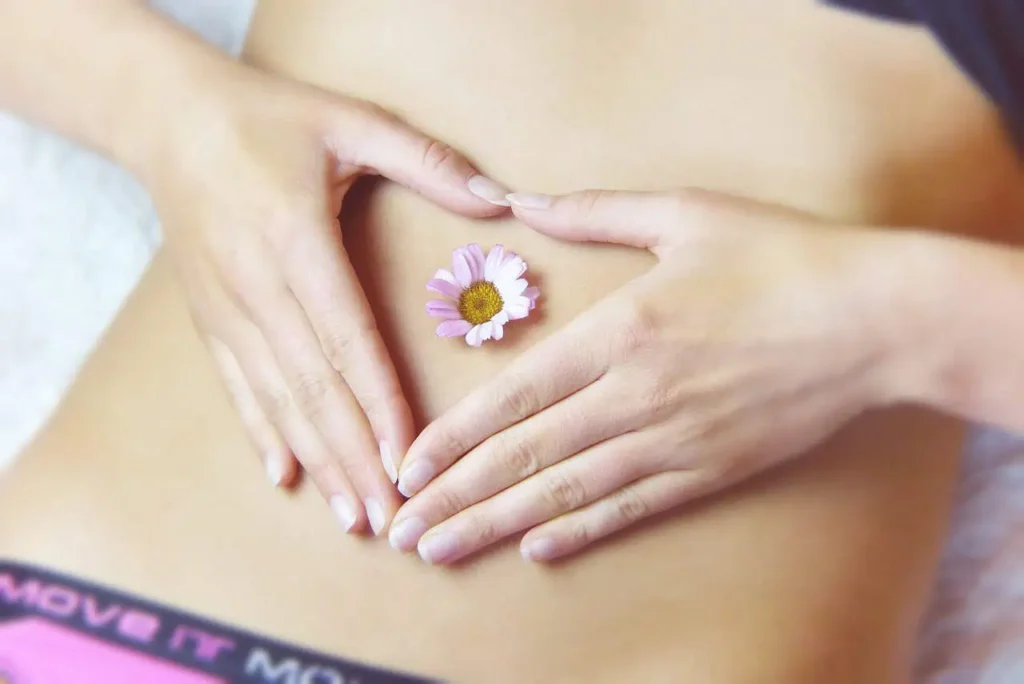
🌹 Step-by-Step Guide for Beginners
- Find your muscles: Imagine you’re stopping urine flow — those are your pelvic floor muscles.
- Start slow: Contract for 3 seconds, then relax for 3 seconds. Repeat 10 times.
- Breathe naturally: Don’t hold your breath. Let the body flow with calm rhythm.
- Increase gradually: Add repetitions and intensity as you gain control.
- Practice daily: Just a few minutes a day can bring lasting transformation.
💖 A Daily Ritual of Power and Connection
Practicing Pompoir is not about perfection — it’s about presence. With every contraction, you strengthen your body, and with every breath, you honor your essence. Over time, this simple routine becomes a sacred ritual of balance, confidence, and vitality.
Frequently Asked Questions about Pompoir
What is the difference between Kegel and Pompoir?
Kegel exercises are focused mainly on strengthening the pelvic floor muscles for medical purposes, such as improving bladder control and postpartum recovery.
Pompoir, on the other hand, combines the same muscle control with sensual awareness and coordination. It is both physical and emotional — a form of self-knowledge that connects body and pleasure
Where did the Pompoir come from?
Pompoir has its roots in ancient India and Southeast Asia, where it was practiced as a form of sacred sexual art and pelvic health training. Over time, it evolved into a therapeutic technique used to enhance intimacy, pleasure, and women’s well-being.
Is there scientific research on Pompoir?
Yes. Modern studies on pelvic floor muscle training confirm its benefits for sexual health, bladder control, and emotional well-being. Although the term “Pompoir” itself is less used in academia, the techniques it employs are widely supported by medical evidence in the fields of gynecology, urology, and physiotherapy.
Can Pompoir help with incontinence?
Absolutely. Regular practice of Pompoir techniques strengthens the pelvic muscles that support the bladder and urethra. This improved control can significantly reduce or even prevent urinary incontinence, especially in postpartum women and during menopause.
Leave us your opinion in the comments…