The best breathing and meditation exercises to relieve your anxiety.
Anxiety often feels like a maze you can’t escape: racing thoughts, chest tightness, and endless what-if scenarios. But the truth is, one of the simplest tools you have—breathing—is one of the most powerful techniques for overcoming anxiety and calming your body and mind. Breathing sends direct signals to your nervous system telling it that you’re safe, which reduces stress and helps you feel more in control.
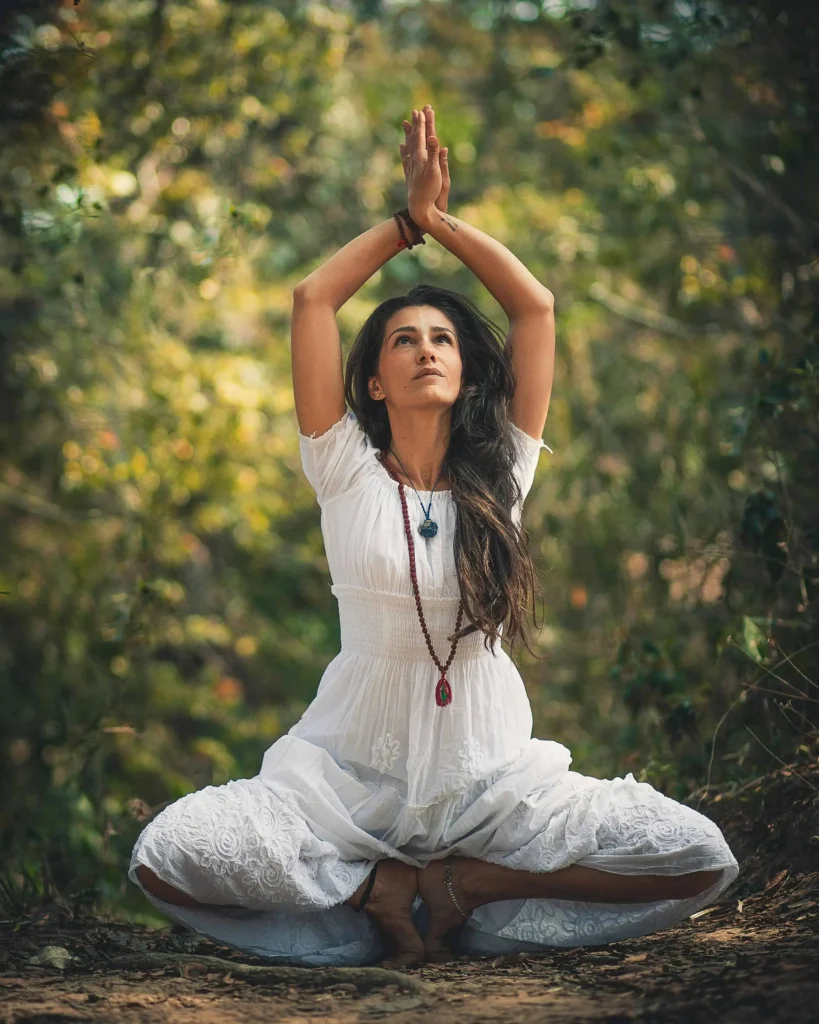
How Breathing Exercises and Meditation for Anxiety Relief Can Transform Your Daily Life?
Breathing is one of the fastest and most effective ways to reduce anxiety. When you slow down your breath, you tell your brain it’s time to relax. This lowers the body’s “fight-or-flight” response — the same system that causes a racing heart, sweaty palms, and muscle tension during stressful moments.
With practice, mindful breathing can help regulate your heartbeat, reduce blood pressure, and put your entire body into a calmer state. Unlike caffeine, alcohol, or even some medications, it has no side effects. And the best part? You can use it anywhere — in traffic, during a tough day at work, or before going to sleep.
The 4 Most Effective Breathing Exercises to Relieve Anxiety
1. Diaphragmatic (or belly) breathing
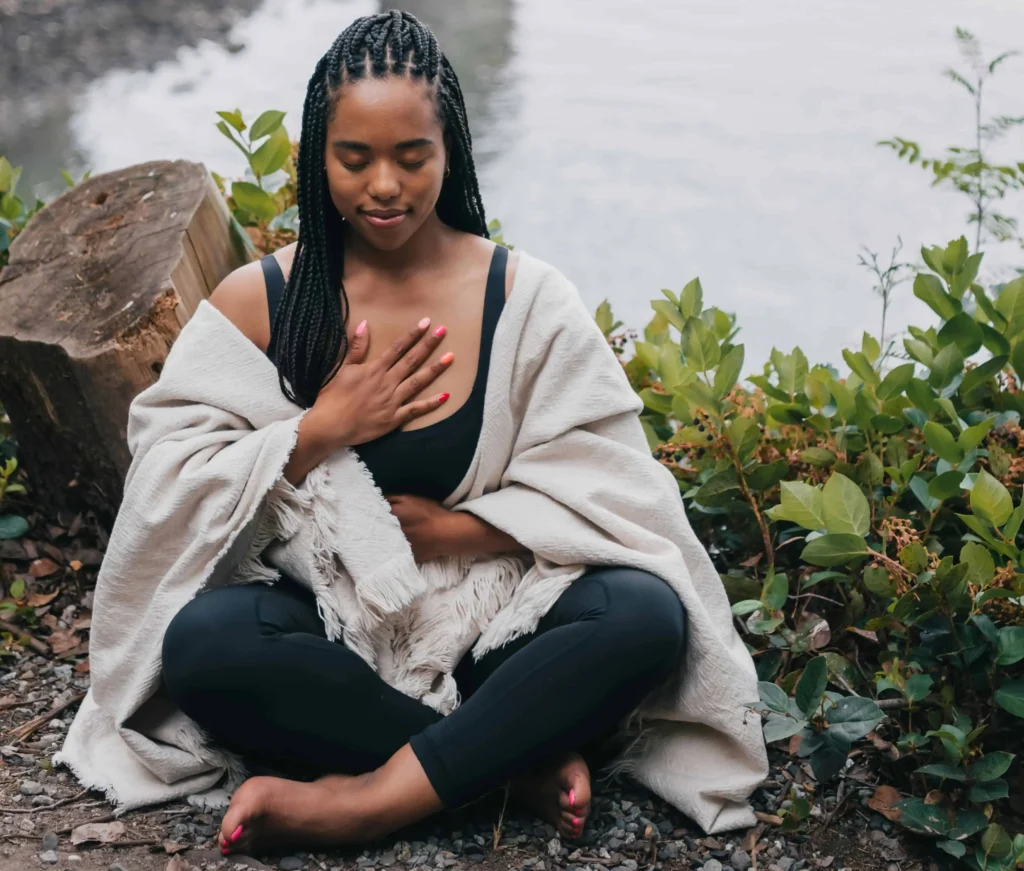
Shallow breathing often makes panic feel worse. Belly breathing teaches you to use your diaphragm and take fuller, slower breaths.
How to do it: Sit or lie down comfortably. Place one hand on your chest and the other on your belly. Inhale through your nose, letting your belly rise while your chest stays still. Exhale slowly through your mouth as your belly lowers. Continue for 5–10 minutes
2. Alternate nostril breathing
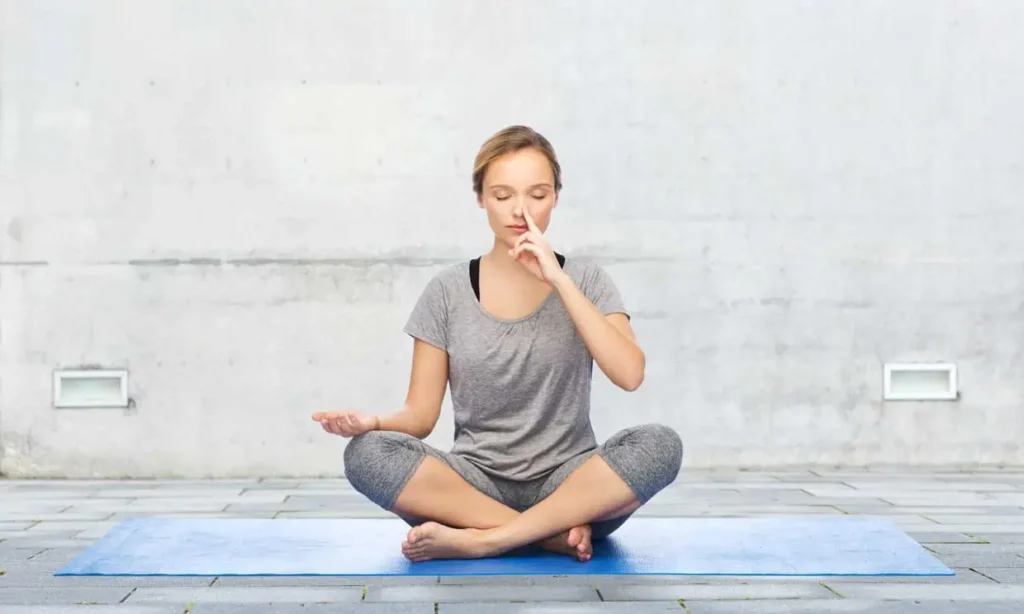
This technique balances the body and calms the mind by regulating airflow between both nostrils.
How to do it: Close your right nostril with your thumb and inhale through the left. Close the left nostril with your ring finger, open the right, and exhale. Inhale through the right, then switch again. Repeat for 5–10 cycles.
3. Pursed-lip breathing
This slows your breathing and helps you release tension.
How to do it: Inhale slowly through your nose for 2 seconds. Purse your lips as if blowing out a candle. Exhale gently through your mouth for 4 seconds. Repeat until you feel calmer.
4. Box breathing (4-4-4-4)
A quick and effective way to reduce stress.
How to do it: Inhale through your nose while counting to 4. Hold for 4 seconds. Exhale through your mouth for 4 seconds. Hold again for 4 seconds. Repeat the cycle 4–6 times.
Meditation Against Stress: Reprogramming the Anxious Brain
Breathing is the doorway, but meditation takes the process even further. Over time, meditation can actually change the brain’s structure, making it less reactive to stress.
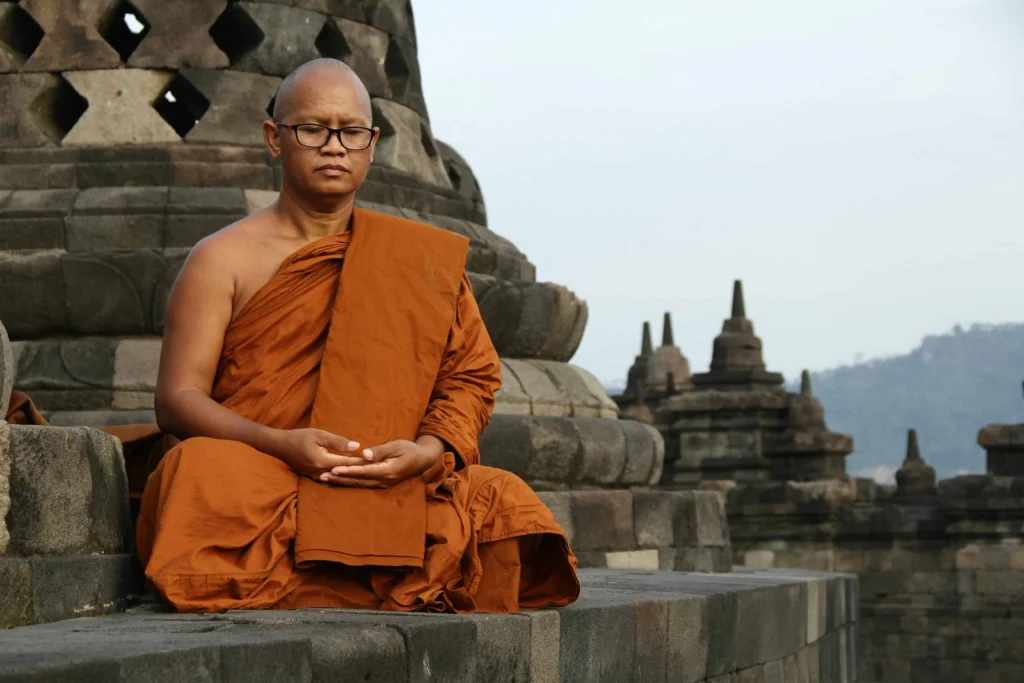
By pairing deep breathing with visualization or a mantra, meditation helps your body and mind work together.
How to try it: Find a quiet place to sit or lie down. Close your eyes and breathe slowly through your nose. Relax your jaw, avoid clenching your teeth, and gently rest your tongue on the roof of your mouth. Let thoughts come and go without holding onto them.
While inhaling, imagine a peaceful place like a beach or a quiet forest. As you exhale, picture releasing stress and anxiety. Continue for 5–10 minutes.
You can also repeat a mantra — a word or phrase that gives you comfort — in sync with your breath. It could be as simple as “calm” or the traditional “Om.” Don’t worry if your mind wanders; just return to your breathing when you notice it.
Why Breathing Exercises and Meditation for Anxiety Relief Are More Effective Than You Think?
Breathing exercises and meditation may seem simple, but their impact goes deeper than most people realize. Unlike quick fixes such as caffeine, alcohol, or even some medications, these natural techniques work directly with your nervous system to create lasting change. Deep breathing calms the body’s stress response almost instantly, while meditation helps rewire the brain over time, building resilience and emotional balance. Together, they not only ease anxious thoughts in the moment but also strengthen your ability to stay calm in the face of future stress.
You don’t need hours of silence to benefit from meditation and breathing exercises. Even 10 minutes a day can ease anxiety symptoms and boost resilience. The more consistently you practice, the easier it becomes to manage stress and feel calmer in everyday situations.
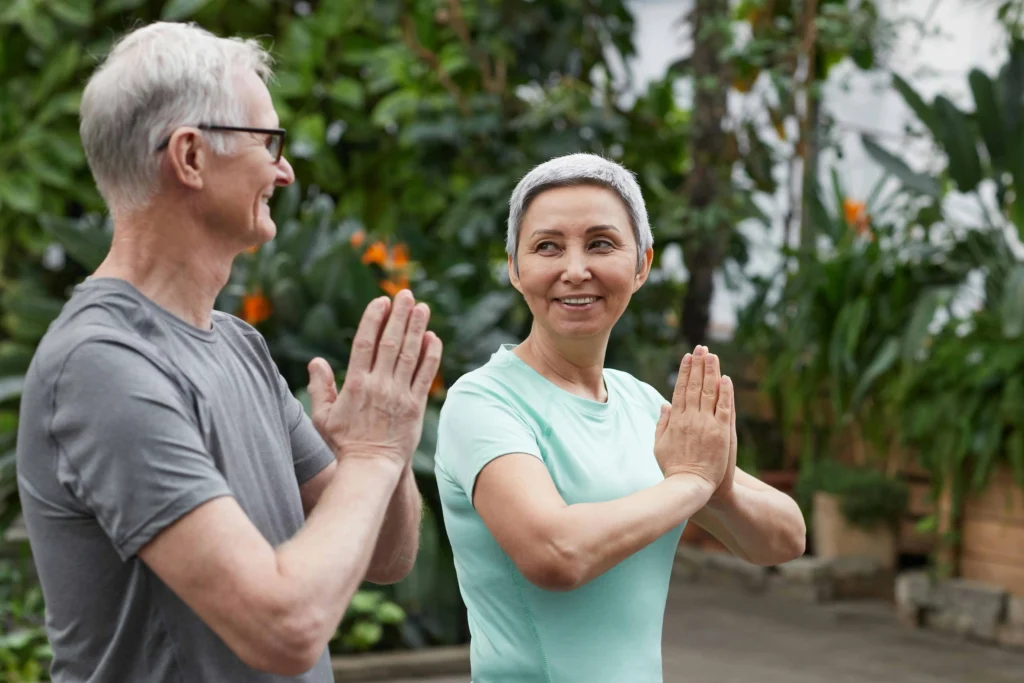
Apps like Headspace or Calm are great tools, especially if you’re just starting out. Over time, daily practice creates a natural shield against stress and helps you feel more grounded in your everyday life. Remember, every deep breath is a small step toward a more peaceful and centered you.
Frequently Asked Questions (FAQ) about breathing and meditation exercises to relieve everyday stress
What is the best breathing exercise for anxiety?
There isn’t one “best” technique for everyone, but belly breathing and box breathing are often the easiest to start with. Try both and see which feels more natural.
How long should I practice breathing exercises each day?
Even 5–10 minutes a day can make a difference. The key is consistency, not duration. Over time, you’ll notice it becomes easier to calm your body and mind.
Can breathing exercises replace anxiety medication?
Breathing and meditation are powerful tools, but they are not a substitute for professional treatment if you have severe anxiety. Always consult your doctor before changing or stopping medication.
When is the best time to meditate?
Anytime you can focus without distractions works. Many people prefer mornings to start the day calm, or evenings to release stress before sleep.
Do I need special equipment to practice meditation?
No. All you need is a quiet space and a few minutes. Apps like Headspace or Calm can guide beginners, but your breath is the only tool required.
Leave us your opinion in the comments…